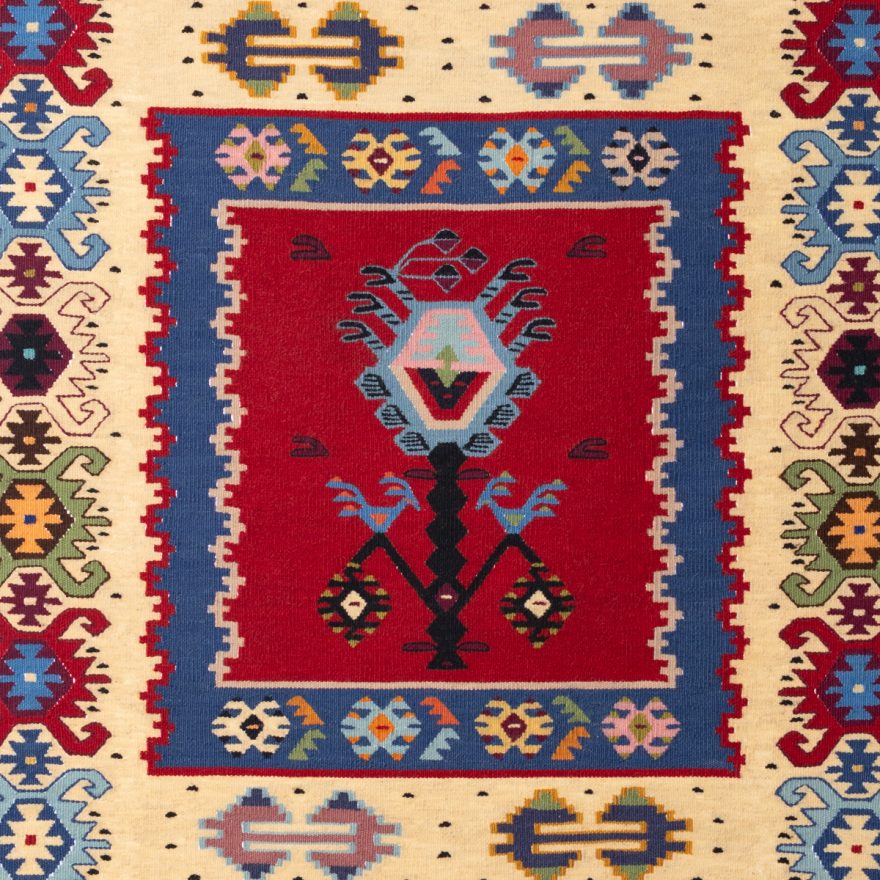
Stara Planina: The Heart of Nature and Guardian of the Pirot Kilim Tradition
What is the connection between Stara Planina and the Pirot kilim? The connection is primarily geographical and cultural. Pirot and the surrounding villages lie next to the Stara Planina region, whose natural resources, pastoral traditions, wool, way of life and local customs have for centuries formed part of the wider cultural landscape in which Pirot kilim weaving developed. It is important, however, to distinguish historically documented facts from later legends and romantic interpretations of motifs.
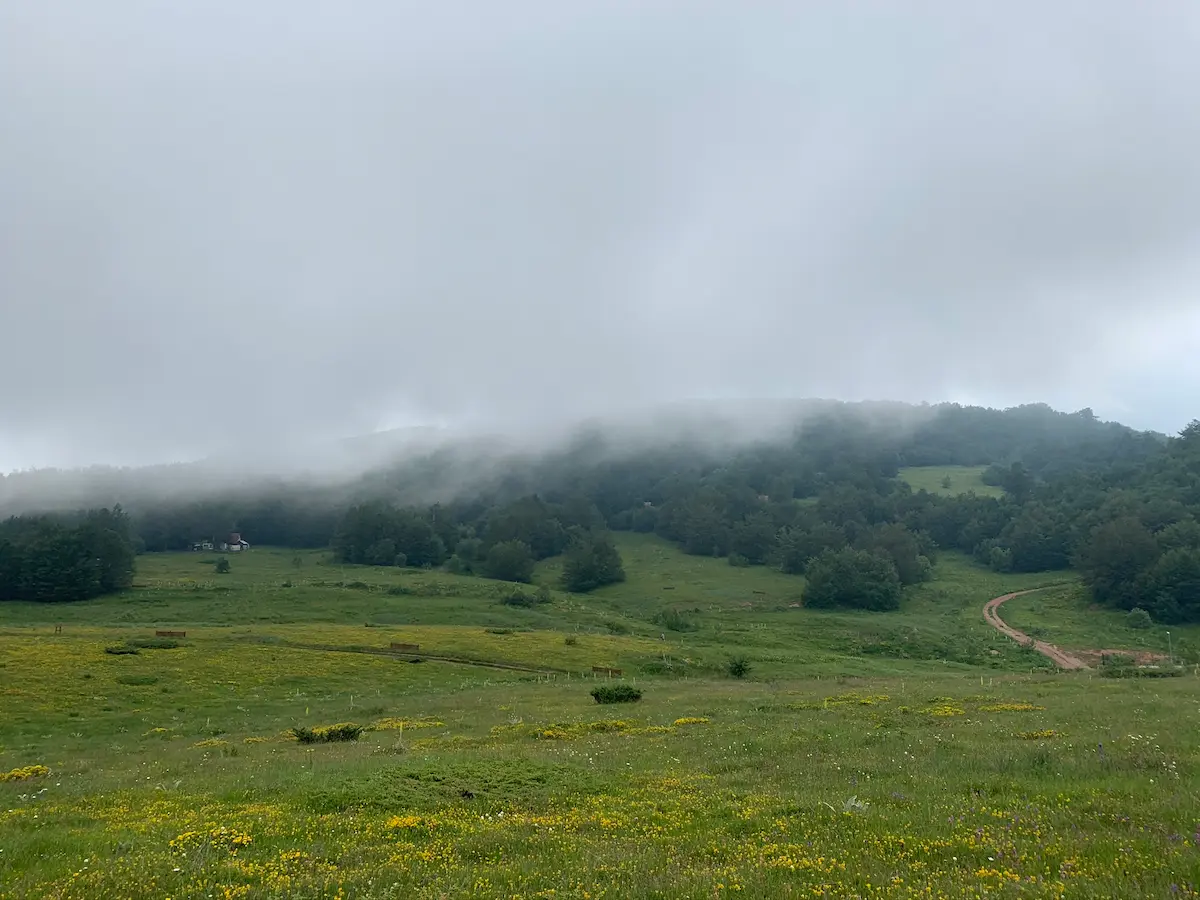
In southeastern Serbia, along the border with Bulgaria, lies Stara Planina – one of the most distinctive mountain regions in this part of the country. Its pastures, valleys, peaks, waterfalls and traditional villages have shaped the lives of the people living around it for centuries.
Within this broader geographical and cultural space, Pirot kilim weaving also developed. A Pirot kilim therefore cannot be understood simply as a decorative object. Its story is connected with Pirot, surrounding villages, wool, pastoral life, weavers and knowledge passed down through generations.
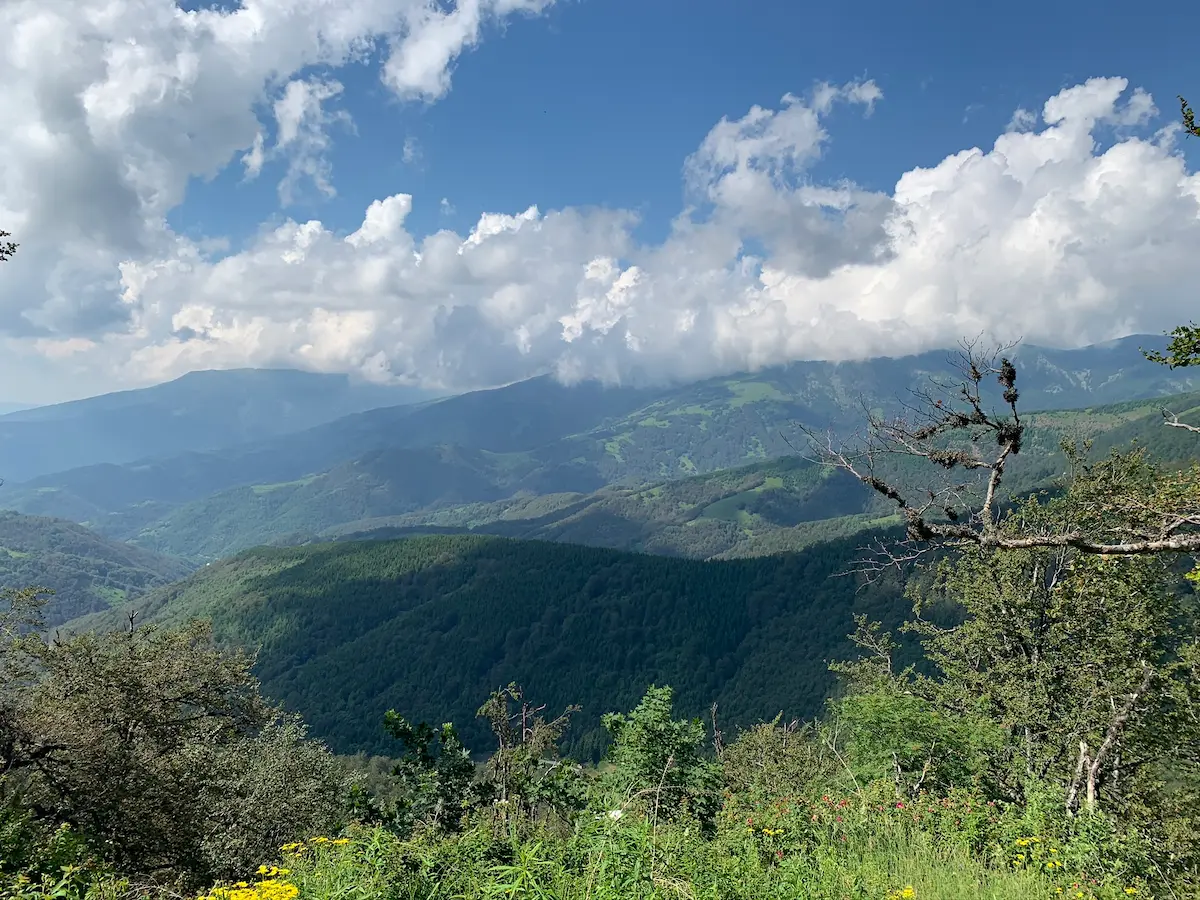
Where Is Stara Planina?
Stara Planina stretches along Serbia’s eastern border with Bulgaria and belongs to the broader Carpathian-Balkan mountain system. Its highest peak on the Serbian side is Midžor, at 2,169 metres, while Babin Zub is one of its best-known areas.
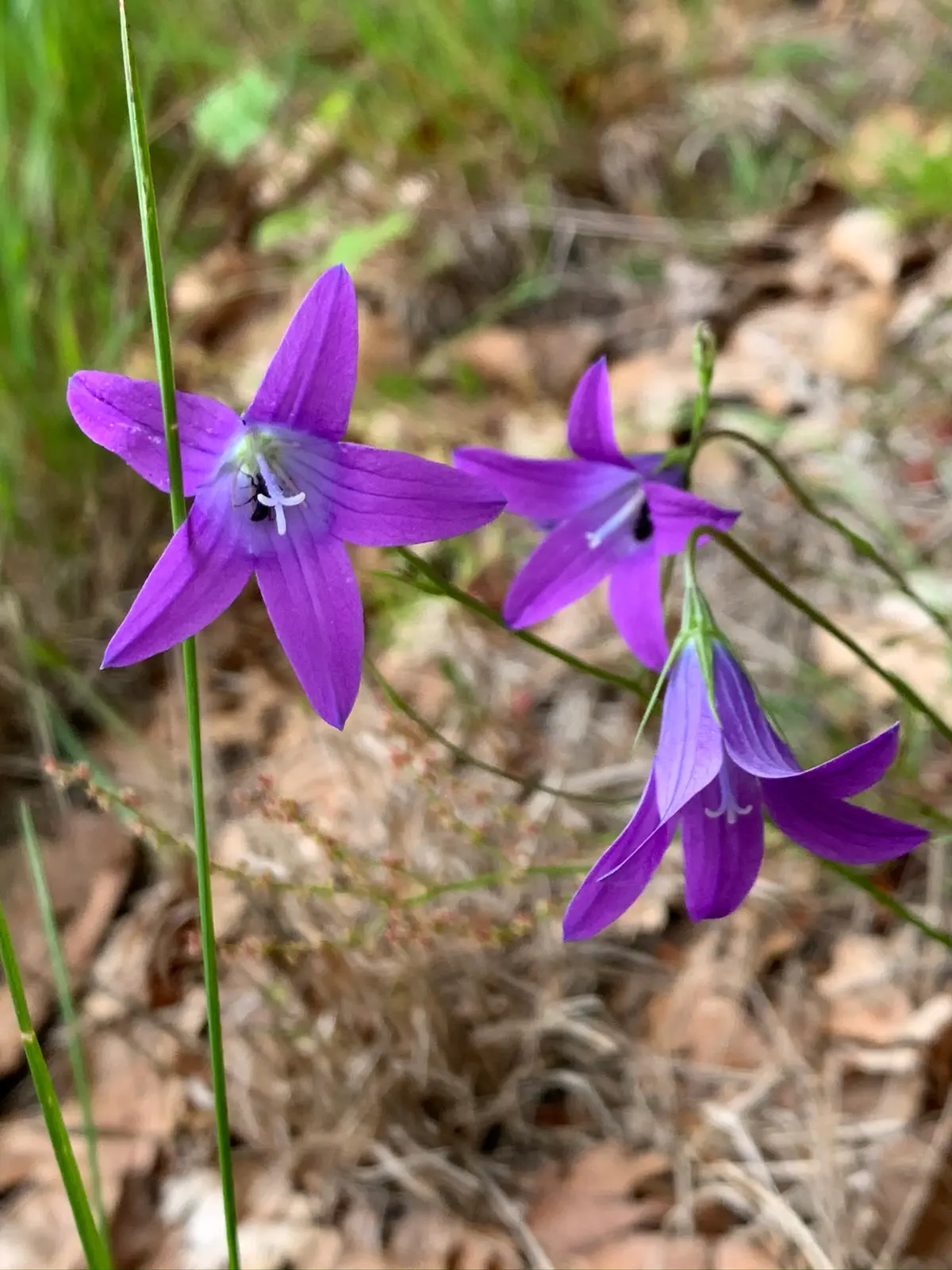
Stara Planina is known for its varied terrain and rich plant and animal life. The Tourist Organization of Serbia highlights its mountain peaks, waterfalls, canyons, valleys and more than a thousand plant species.
For the story of the Pirot kilim, it is especially important that Stara Planina is not merely a landscape but also a region of traditional pastoral life, villages and crafts. This connection between the natural environment and everyday life provides an important context for understanding kilim weaving.
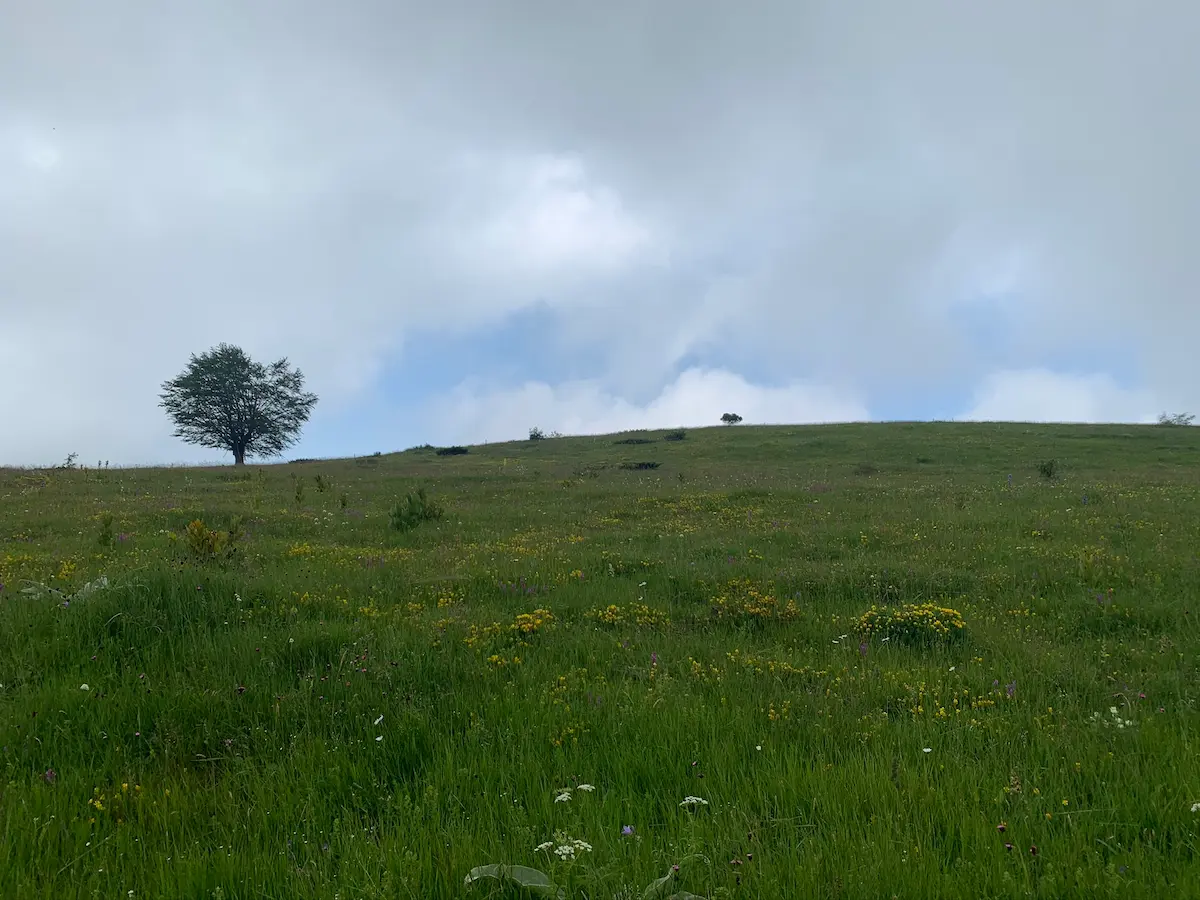
Why Is Stara Planina Important to the Story of the Pirot Kilim?
The connection is best understood through several elements: place, pastoral life, wool, way of life and craft knowledge.
Wool is the primary raw material of the traditional Pirot kilim, and Pirot kilim weaving uses wool from the Pirot Pramenka sheep. UNESCO documentation for the 2026 nomination of Pirot kilim weaving also identifies the Pirot Pramenka as the sheep breed whose wool is used for making the kilims.
This does not mean that every kilogram of wool used for a kilim necessarily came directly from Stara Planina. That claim would be too broad. More precisely, Stara Planina and the wider Pirot region formed for centuries a natural and social environment in which pastoralism and wool processing were part of traditional life.
Pramenka Wool – The Natural Foundation of the Pirot Kilim
The Pirot kilim is traditionally made from wool yarn, and the Pirot Pramenka holds a special place in the story of the material from which it is made.
Wool is more than a raw material. Its strength, elasticity and processing affect the appearance, density and durability of the finished kilim.
That is why it is useful to connect the story of the kilim with the story of its primary material. Before a complex pattern appears on the loom, there is wool, its preparation and the yarn used by the weaver.
Learn more about the process in our article on how a Pirot kilim is made and how long production takes.
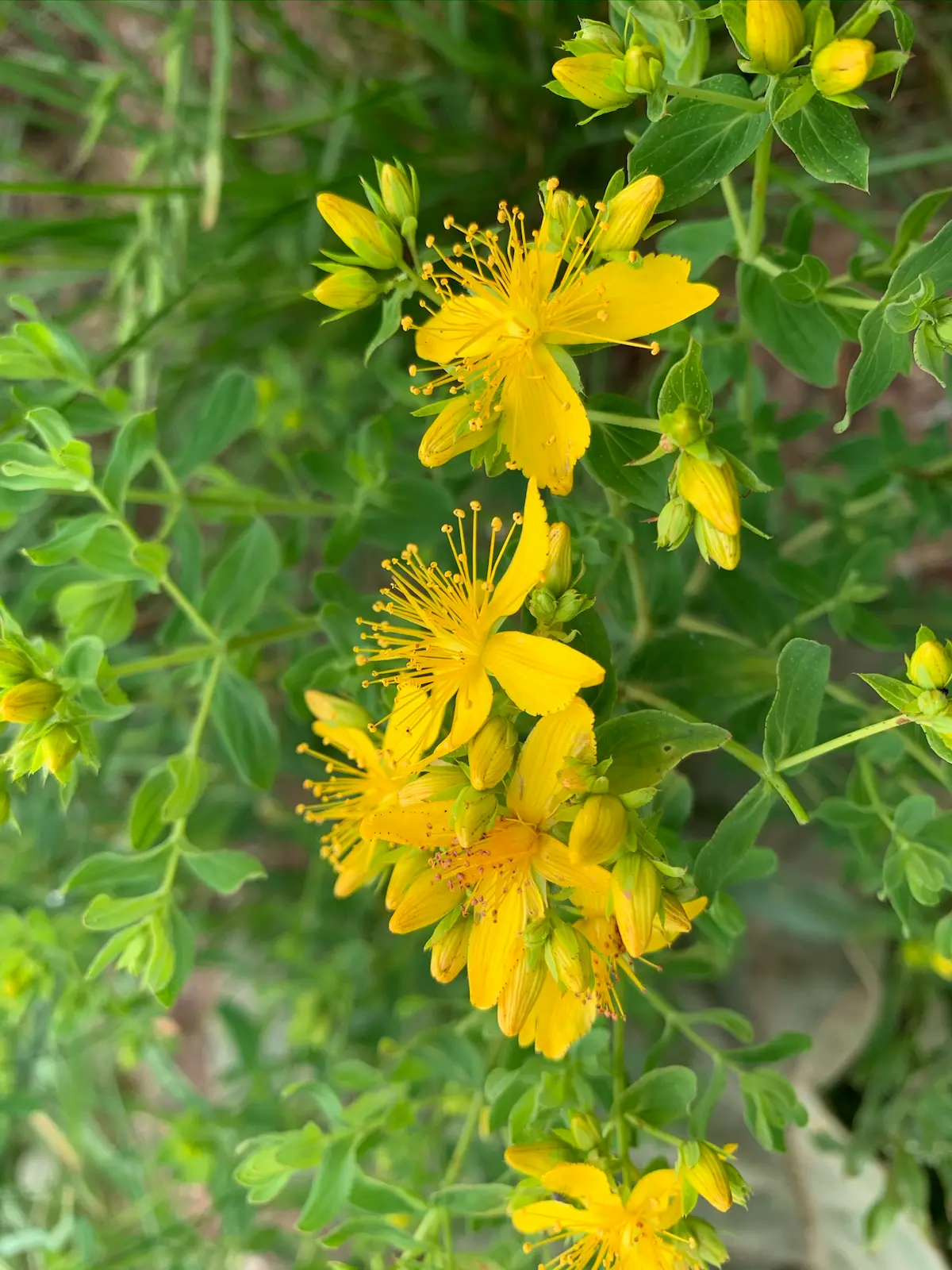
Were Plants from Stara Planina Used to Dye Pirot Kilims?
This is an area where precision matters. Natural dyes and local plants are part of the broader history of traditional textile dyeing, but it would not be accurate to claim that all colours used in Pirot kilims came exclusively from plants growing on Stara Planina.
Such a statement may sound appealing, but it is too simplistic. Dyeing techniques, available materials and colour palettes changed over time. It is therefore safer to discuss the relationship between traditional textiles, natural materials and the local environment, while specific dyeing techniques should be considered through historical sources.
This is also a good example of why historical fact, local tradition and modern interpretation should be distinguished when discussing cultural heritage.
Stara Planina as a Region of Traditional Life
For centuries, Stara Planina has been a region where people made their living from pastoralism, agriculture, forestry and various crafts. This way of life left its mark on household objects, including textiles.
The Pirot kilim is one such object that eventually grew beyond its original practical function. In addition to serving as a floor covering, blanket or decorative object, it became a recognisable symbol of Pirot’s tradition.
That is why the story of the kilim does not end at the loom. It includes the woman who weaves, wool, the household, the local economy, motifs, family knowledge and the environment in which the tradition survived.
Do Pirot Kilim Patterns Come from Legends of Stara Planina?
This is an interesting question, but it requires caution.
Individual motifs have different interpretations and folk explanations. Popular accounts often connect Pirot patterns with protection, happiness, fertility, nature or ancient beliefs.
However, it is not historically possible to connect every motif to a specific legend, mythical creature or event from Stara Planina.
It is therefore more useful to view the ornamentation as the visual language of traditional Pirot kilim weaving, and to examine individual meanings motif by motif.
For more detail, see our guide to Pirot Kilim – Patterns, Meaning and Symbolism of Traditional Motifs.
Đulovi, Rašićeva and Kondićeva Patterns – More Than Decoration
Motifs such as Đulovi, Rašićeva and Kondićeva belong to the rich world of Pirot ornamentation. Their value is not only in their appearance, but also in the fact that they form part of a visual tradition passed down through generations.
However, not every pattern should be presented as a direct “map” of Stara Planina. The connection is broader: the kilim belongs to the cultural space of Pirot and southeastern Serbia, while its motifs reflect the development of craft knowledge, taste and the tradition of the weavers.
This is why the same motif may have different interpretations, and its meaning can depend on local context and historical period.
How Has Pirot Kilim Weaving Survived?
The greatest value of Pirot kilim weaving is not only in the old kilims preserved in museums and private collections. Its value also lies in the fact that the knowledge of weaving still exists.
UNESCO currently lists Pirot kilim weaving as a nomination for the Representative List of the Intangible Cultural Heritage of Humanity for the 2026 cycle. It is therefore important to be precise: as of August 2026, Pirot kilim weaving is in the nomination process and is not listed as an element already inscribed on Serbia’s UNESCO list.
This is an important distinction from the claim that “the Pirot kilim is already protected by UNESCO.” If the status of the nomination changes, this section should be updated.
Stara Planina Today: Nature, Tourism and Cultural Heritage
Today, Stara Planina is an important destination for hiking, skiing, cycling and other forms of active tourism. At the same time, its natural environment remains one of the main reasons this region has such a distinctive identity.
The most valuable parts of the area are protected as a Category I Nature Park, while state authorities have in recent years conducted procedures concerning changes to the type and level of protection.
The Tourist Organization of Serbia highlights Midžor, Babin Zub, the Bigar valley, Temštica and Jelovičko Vrelo among the area’s attractions.

What Does Stara Planina Have to Do with the Modern Pirot Kilim?
The connection is not only historical.
When we buy a hand-woven Pirot kilim today, we are buying a contemporary product rooted in traditional techniques, materials, motifs and knowledge. In this way, an old craft tradition gains a modern life.
This is more meaningful than the romantic idea that every kilim “carries a piece of the mountain.” What it truly carries is the knowledge of the people who made it and the cultural tradition to which it belongs.
Supporting authentic production is therefore one practical way to help keep traditional craft knowledge alive.
The Protected Geographical Origin of the “Pirot Kilim”
The authenticity of the Pirot kilim also has a formal legal dimension. The Intellectual Property Office of the Republic of Serbia states that “Pirot Kilim” is protected as a geographical indication, with protection established in the early 2000s. The Office states that in 2003 “Pirot Kilim” became the intellectual property of the people of the Pirot region in the sense of a protected designation.
This means that the name is not merely a marketing label. Only authorised users may identify their products as “Pirot Kilim” within the protected designation.
This protection matters to buyers because it distinguishes products that meet the requirements associated with geographical origin and traditional production from products that merely use the name Pirot kilim for marketing purposes.
Stara Planina and the Pirot Kilim: What Is the Real Connection?
In short, the connection lies in place, people, pastoral life, wool, traditional ways of life and craft knowledge.
Stara Planina provides the natural setting. Pirot is the historical and cultural centre of kilim weaving. Weavers, households and craftspeople turned wool yarn into an object with practical, decorative and social functions.
Over time, the Pirot kilim became much more than a household object. Today it is recognised as part of the cultural identity of Pirot and Serbia, while contemporary production allows the tradition to remain more than a museum collection.
Frequently Asked Questions
Are Pirot kilims made on Stara Planina?
Pirot kilim weaving belongs to the cultural space of Pirot and its surrounding settlements. It is not accurate to say that all Pirot kilims are made on Stara Planina itself.
What is the connection between Stara Planina and the Pirot kilim?
The connection is geographical and cultural. The Pirot region lies next to Stara Planina, while pastoralism, wool, traditional ways of life and craft knowledge form part of the wider history of the area.
Is Pramenka wool used for Pirot kilims?
Yes. The Pirot Pramenka is traditionally associated with the wool used in Pirot kilim weaving, as also reflected in the documentation for the current UNESCO nomination of Pirot kilim weaving.
Are Pirot kilim patterns inspired by Stara Planina?
There are different interpretations of the motifs and their connections with nature and folk beliefs, but it is not justified to claim that every motif directly originates from Stara Planina. Their meaning should be considered within the broader tradition of Pirot ornamentation.
Is the Pirot kilim on the UNESCO list?
At the time of this article’s update, Pirot kilim weaving is in the nomination process for the UNESCO Representative List for 2026; it is not listed as an already inscribed element on Serbia’s list.
Is the Pirot kilim protected?
Yes. “Pirot Kilim” is protected as a geographical indication in Serbia. The Intellectual Property Office states that the protection was established in the early 2000s.
What is the highest peak of Stara Planina?
Midžor is the highest peak of Stara Planina on the Serbian side, at 2,169 metres.
Is Stara Planina a protected area?
Yes. The most valuable part of the Stara Planina area is protected as a Category I Nature Park, with procedures and plans concerning further protection of the area.
Conclusion
Stara Planina and the Pirot kilim are not the same story, but they belong to the same geographical and cultural space.
The mountain shaped the natural environment and ways of life, while the people of the region developed, through pastoralism, wool processing and craft knowledge, the tradition now known as Pirot kilim weaving.
The strongest connection between them is therefore the one best supported by history: nature, people, material and knowledge.
If you would like to explore how this tradition developed and changed over time, read our history of the Pirot kilim. If you are more interested in technique and handwork, see our guide to the production process, or explore our guide to patterns and symbolism.
To shop for an original Pirot kilim, explore the current Pirot kilim collection on Kilim.rs.